



The University Hospital Heidelberg
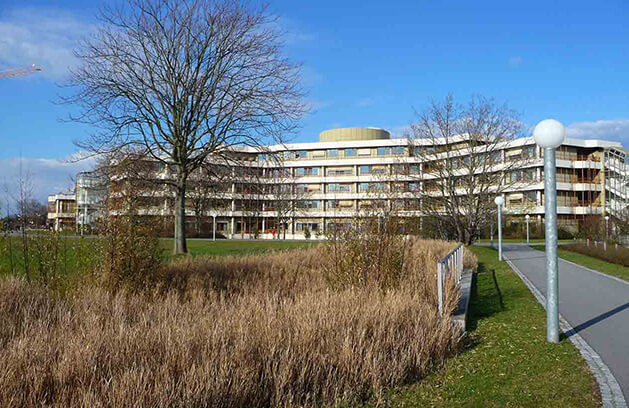
University Hospital Heidelberg is Germany’s oldest multidisciplinary medical institution, founded in 1388. The hospital employs 10,300 staff members, including 1,700 professors and physicians. Each year, approximately one million patients receive treatment at the facility.
The hospital has gained international recognition as a pioneering medical center, distinguished by an exceptional record of groundbreaking achievements and discoveries.
For example, within its Department of Urology, one of the hospital’s oldest units, the following landmark procedures were performed for the first time worldwide:
- Nephrectomy (kidney removal)
- Prostate tumor resection
- Kidney transplantation
In 1985, the world’s first successful stem cell transplantation was carried out in Heidelberg. In 1991, Europe’s first laparoscopic pelvic lymph node dissection was performed at the hospital.
Today, University Hospital Heidelberg comprises 43 specialized departments, covering all fields of modern medicine. According to the 2025 Newsweek ranking, it holds 2nd place among the best hospitals in Germany. This ranking is based on an online survey of over 85,000 medical experts, patient satisfaction data, and hygiene standards. University Hospital Heidelberg received a score of 90.01 points.
The foundation of the hospital’s outstanding success lies in its close collaboration with national research institutes and laboratories that develop pharmaceutical agents, diagnostic tools, and innovative therapeutic technologies.
Key Clinical Focus Areas
Oncology
Oncology is the hospital’s primary specialty. Twenty-two departments have joined forces to develop comprehensive cancer treatment programs. Their collaborative approach yields cure rates that exceed European averages.
Heidelberg Ion-Beam Therapy Center (HIT)
The Heidelberg Ion-Beam Therapy Center (HIT), the first in Europe to use proton and heavy-ion radiation therapy, is a flagship of the oncology division. It houses the unique “Gantry” system, capable of rotating 360 degrees around the patient. This enables ultra-precise, multi-angle irradiation of tumors with millimeter accuracy.
Ion-beam therapy is a highly targeted, tissue-sparing modality, particularly effective for treating select cancers of the prostate, lung, and liver. In 95% of cases, treatment is delivered on an outpatient basis, with individual sessions lasting from a few minutes to one hour. The center has extensive experience in treating children and adolescents.
Center for Pediatric and Adolescent Medicine
The Heidelberg Center for Pediatric and Adolescent Medicine holds leading positions in childhood cancer care, thanks to its strategic partnerships with the German Cancer Research Center (DKFZ), the European Molecular Biology Laboratory (EMBL), and other prestigious institutions.
For 35 years, the center has performed bone marrow transplants. To date, over 2,000 children with cancer have been treated here, with a complete remission rate exceeding 85%.
Organ Transplantation Center
Organ transplantation is a major interdisciplinary focus of University Hospital Heidelberg. Its Transplant Center is one of Germany’s oldest:
- Since 1967, more than 3,100 kidney transplants have been performed.
- Following the first liver transplant in 1987, over 1,500 liver transplants have been completed.
- Specialized programs for heart, lung, and pancreas transplantation were introduced in the early 1990s.
The hospital is also home to Germany’s largest bone marrow transplantation unit.
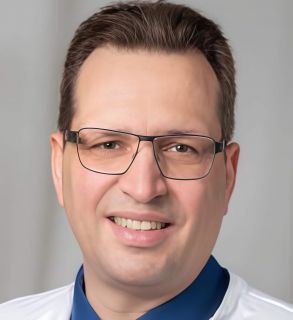
The department is led by Prof. Dr. Christoph Michalski, who succeeded the globally renowned surgeon Prof. Dr. Markus W. Büchler upon his retirement. Prof. Michalski specializes in oncologic resections and abdominal organ transplantation, with over 40% of surgeries performed using minimally invasive techniques.
Automated Diagnostic Laboratory
In 2016, a new surgical clinic building was completed, featuring Germany’s first fully automated clinical laboratory. This state-of-the-art facility delivers microbiological test results within 26 hours, a dramatic improvement over the previous 72-hour turnaround. That same year, the Surgical Clinic was awarded the title “Exemplary Center for Minimally Invasive Surgery.”
Thanks to its innovative concepts, strategic investments, and pioneering vision, University Hospital Heidelberg ranks among the world’s leading medical institutions.
European Pancreas Center
The European Pancreas Center is not only Germany’s and Europe’s premier surgical hub for pancreatic disease, it is also globally recognized as a leader in pancreatic surgery. Performing over 600 pancreatic operations annually, the center combines unparalleled surgical expertise with cutting-edge infrastructure and advanced robotic systems. Two da Vinci robotic platforms are in daily clinical use.
As a world-renowned research institution, the center has significantly advanced the surgical management of pancreatic carcinoma, introducing novel techniques such as radical antegrade modular pancreatosplenectomy (RAMPS) and precision resection strategies. These innovations have substantially improved survival outcomes for pancreatic cancer patients.