Sarcoma Treatment in Germany: Top Hospitals, Advanced Methods, and Leading Specialists
Soft tissue and bone sarcomas are rare and aggressive malignant tumors that develop in muscles, tendons, fat tissue, nerves, blood vessels, joints, and bones. Sarcomas account for approximately 1% of all adult cancer diagnoses and up to 6.6% of pediatric cancers.
Because sarcoma is a rare disease, successful treatment requires extensive medical expertise, multidisciplinary care, and cutting-edge technologies. Certified German cancer centers focus heavily on limb-sparing and organ-preserving surgical procedures. Every patient’s case is reviewed by a team of specialized oncologists, and diagnostic biopsies are routinely validated by independent reference pathology laboratories in Germany to eliminate misdiagnosis and ensure a precise, tailored treatment plan.
In this article, you will learn: what sarcoma is, whether soft tissue sarcoma can be cured, the most advanced sarcoma treatment options available in specialized German centers, and what factors determine survival rates and prognosis.
What is Soft Tissue and Bone Sarcoma?
The term "sarcoma" encompasses more than 100 distinct subtypes of cancer. Unlike carcinomas (such as lung or breast cancer), which originate in epithelial cells, sarcomas arise from connective tissues.
Key Characteristics of Sarcoma:
- Absence of Typical Risk Factors: In most cases, sarcoma develops due to spontaneous genetic mutations rather than lifestyle or environmental factors.
- Asymptomatic Early Stages: Early-stage sarcomas often present as a painless lump or swelling.
- Rapid Growth Rate: High-grade soft tissue sarcomas can progress rapidly within a few weeks.
- Diagnostic Complexity: Because they frequently mimic benign conditions (such as lipomas or hematomas), initial misdiagnosis is common.
Key Fact: Approximately 2,000 people are diagnosed with soft tissue sarcoma in Germany each year (including about 140 children and adolescents). Deep subspecialty expertise allows German oncologists to achieve favorable outcomes even in complex or advanced cases.
Comprehensive Sarcoma Diagnostics in German Cancer Centers
An accurate histological diagnosis is crucial for selecting the effective therapeutic pathway. Diagnostic errors during biopsy in non-specialized facilities can compromise future surgical options.
At certified German sarcoma centers, comprehensive diagnostics include:
- High-Resolution MRI (Magnetic Resonance Imaging): Evaluates tumor dimensions, anatomical boundaries, and involvement of adjacent neurovascular bundles.
- Pathology Double-Check (Second Medical Opinion): To rule out diagnostic errors, tissue samples are evaluated twice — first by the hospital’s pathology department and subsequently by an independent German national reference laboratory.
- Staging & Metastasis Screening:
- High-resolution CT scan of the chest (to rule out pulmonary metastases);
- Abdominal and brain MRI;
- Whole-body bone scintigraphy or PET-CT scan.
Advanced Sarcoma Treatment Methods in Germany
Sarcoma management requires a collaborative approach by a multidisciplinary Tumor Board comprising orthopedic oncologists, surgical oncologists, radiation oncologists, medical oncologists, and pathologists.
1. Limb-Sparing Surgical Resection
- Surgery remains the primary and most effective treatment modality for most sarcomas. The principal objective is complete tumor resection with clear margins (R0 resection) while preserving maximum limb function and anatomical integrity (limb-sparing surgery).
2. Chemotherapy and Isolated Limb Perfusion (ILP)
- Neoadjuvant (Preoperative) Chemotherapy: Administered prior to surgery to shrink large or high-grade tumors.
- Isolated Limb Perfusion (ILP / Hyperthermic Perfusion): For advanced sarcomas located in the arms or legs, concentrated chemotherapeutic agents are delivered directly into the affected limb's circulatory system, minimizing systemic side effects.
3. Cutting-Edge Radiation Therapy
- Proton Therapy: A highly precise form of radiation that targets tumor cells with sub-millimeter precision, preserving adjacent healthy tissues and vital organs. Highly indicated for sarcomas of the head, neck, spine, and skull base.
- Postoperative (Adjuvant) Radiotherapy: Administered following surgical resection to destroy microscopic residual cancer cells and prevent local recurrence.
4. Targeted Therapy and GIST Treatment
- For gastrointestinal stromal tumors (GIST) — a specific subtype of gastrointestinal sarcoma — targeted therapies using tyrosine kinase inhibitors (TKIs) are used to block tumor growth mechanisms, allowing effective disease control even at advanced stages.
Clinical Case Study:
Optimal Strategy for Desmoid-Type Fibromatosis (Aggressive Soft Tissue Fibromatosis): Surgery is often inappropriate or contraindicated for desmoid tumors due to high recurrence rates and operative trauma. Learn how a multidisciplinary German Tumor Board helped a patient avoid unnecessary surgery by opting for a highly effective conservative management plan:
🔗 Read the Full Clinical Case Breakdown on Desmoid Fibromatosis
Top Sarcoma Specialists and Doctors in Germany
Sarcoma treatment should always be conducted in specialized centers certified by the German Cancer Society (DKG — Deutsche Krebsgesellschaft).
DKG certification ensures that the hospital undergoes rigorous annual audits, performs a high volume of complex tumor surgeries, and treats every patient through a multidisciplinary Tumor Board.
Sarcoma Surgery and Orthopedic Oncology
- Prof. Dr. med. Jendrik Hardes — Director of the Department of Tumor Orthopedics and Sarcoma Surgery at Essen University Hospital (West German Cancer Center). One of Europe’s foremost experts in limb-sparing surgery, bone tumor resection, and modular endoprosthetic reconstruction.
- Prof. Dr. med. Marcus Lehnhardt — Director of the Department of Plastic Surgery and Head of the Sarcoma Center at Bergmannsheil University Hospital (Bochum). Renowned specialist in soft tissue sarcoma surgery and microvascular reconstructive surgery.
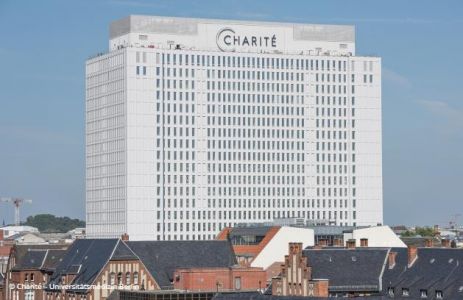
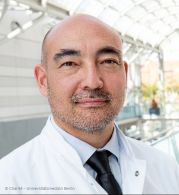
- Dr. med. Daniel Rau — Senior Physician, Head of Orthopedic Oncology, and Coordinator of the Sarcoma Center at Charité – Universitätsmedizin Berlin. Specialist in limb-preserving surgery and integrated management of bone and soft tissue tumors.
- Prof. Dr. med. Axel Hillmann — Senior Surgeon in the Department of Sarcomas and Musculoskeletal Tumors at Barmherzige Brüder Hospital in Regensburg, with over 30 years of clinical experience in orthopedic oncology.
- Prof. Dr. med. Burkhard Lehner — Head of Orthopedic Oncology and Coordinator of the Interdisciplinary Sarcoma Center at Heidelberg University Hospital. Expert in complex limb-sparing procedures and endoprosthetic bone reconstruction.
- Prof. Dr. med. Klaus-Dieter Schaser — Medical Director of the University Center for Orthopedics and Trauma Surgery (OUC) at Carl Gustav Carus University Hospital in Dresden. Leading expert in spinal tumor surgery (en-bloc resection) and image-guided bone biopsies.
- Prof. Dr. med. Matthias Schwarzbach — Head of the Frankfurt Sarcoma Center and Chief Physician of General, Visceral, Vascular, and Thoracic Surgery at Klinikum Frankfurt Höchst. Specialist in complex abdominal and retroperitoneal sarcoma resections.
- PD Dr. med. Per-Ulf Tunn — Head of the Department of Orthopedic Oncology and Sarcoma Center at HELIOS Hospital Berlin-Buch. Nationally recognized expert in osteosarcoma, Ewing sarcoma, soft tissue tumors, and custom 3D-printed implant design.
- Prof. Dr. med. Jens Jakob — Head of Sarcoma Surgery Section at Mannheim University Medical Center. Specializes in complex surgical management of soft tissue sarcomas and abdominal oncological surgery.
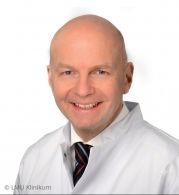
- Prof. Dr. med. Hans Roland Dürr — Head of Orthopedic Oncology at the Ludwig Maximilian University of Munich (LMU Hospital). Leading specialist in malignant bone tumors, osteosarcomas, and joint-preserving procedures.
- Prof. Dr. med. Arne Streitbürger — Vice-Director of the Department of Tumor Orthopedics and Sarcoma Surgery at Essen University Hospital. Internationally recognized specialist in complex tumor endoprosthetics and pediatric/adult bone sarcoma surgery.
Pediatric Oncology
- Prof. Dr. med. Irene Schmid — Leading Specialist in Pediatric Hematology and Oncology at Dr. von Hauner Children's Hospital (LMU University Hospital, Munich). Expert in the diagnosis, chemotherapy, and management of rare pediatric sarcomas in children and adolescents.
Radiation Therapy and Radio-Oncology
- Prof. Dr. med. Claus Belka — Director of the Department of Radiation Oncology at LMU University Hospital in Munich. One of Europe's leading authorities on precision radiation therapy, stereotactic body radiotherapy (SBRT), and combined radiosurgical treatment for sarcomas.
Step-by-Step Guide: How to Receive Sarcoma Treatment in Germany
- Document Submission: Send your existing medical reports, pathology slides/blocks, and recent MRI/CT imaging files.
- Medical Evaluation & Second Opinion: Leading German professors review your case to provide a comprehensive diagnosis and preliminary treatment plan.
- Cost Estimate: Receive an official, transparent cost estimate (deposit calculation) directly from the hospital.
- Visa & Administrative Support: Issuance of an official medical invitation letter for expedited medical visa processing for the patient and accompanying companions.
- Travel & On-Site Organization: Scheduling appointments, providing qualified medical interpreters, and coordinating airport transfers.
Consult Leading German Sarcoma Experts
If you or a loved one are facing a sarcoma diagnosis or suspected tumor, timing is critical. Contact us today to organize a remote medical consultation or arrange urgent admission to a certified German sarcoma center:
📞 Phone / WhatsApp / Telegram: +49 170 62 47 020
📝 Contact Form: Submit an online request on our website to receive a second medical opinion from top German experts.