Paediatric neurosurgery in Germany
It's hard to stay calm when your child is sick, but we can offer you some reassurance. Thanks to our collaboration with Germany’s leading physicians, we can always make life less burdensome for children entrusted to us, resulting in happier, more carefree lives.
Pediatric neurosurgery is essential when an experienced neurosurgeon must carefully plan and perform surgery for diseases of the central nervous system.
Due to the unique characteristics of a child’s body, pediatric neurosurgery requires not only specialized surgical skills, but also the involvement of doctors from other specialties. This has led to the development of a distinct field of medicine in which we collaborate closely with pediatricians, oncologists, neonatologists, anesthesiologists, and intensivists to develop individualized treatment plans for each young patient.
Pediatric neurosurgery clinics in Germany treat children and adolescents with conditions such as:
- Brain and spinal cord tumors
- Hydrocephalus (water on the brain)
- Brain aneurysms
- Consequences of traumatic brain injuries
- Brain and spinal cord developmental anomalies (e.g., spina bifida, Arnold-Chiari malformation)
- Encephalocele (cranial hernia)
- Tethered cord syndrome
- Spinal and brain cysts
- Craniosynostosis (premature closure of cranial sutures)
- Epilepsy
- Infections of the central nervous system
- Birth injuries to the peripheral nervous system
- Cerebrovascular diseases
The advantages of pediatric neurosurgery in Germany
Neurosurgery is one of the most technologically advanced fields of medicine. The treatment of brain tumors, especially in children, requires ultra-precise, state-of-the-art equipment. The demands placed on neurosurgeons are also extremely high. Not only must the tumor be completely removed, but neurological complications must also be avoided.
Such results became possible after the introduction of the surgical microscope, which provides a high-quality, detailed image through high magnification and illumination of the surgical field. Using the microscope significantly reduces trauma to healthy tissue and improves surgical outcomes. The surgical microscope has become standard equipment in operating rooms at German neurosurgical centers.
Progress in German neurosurgery does not stop there. Over the past 20 years, German neurosurgeons have adopted the world’s best technologies and mastered the most minimally invasive methods for diagnosing and treating CNS diseases. These methods include:
- Microsurgical techniques
- Robotic control systems
- Imaging diagnostics
- Computer-assisted neuronavigation
- Intraoperative fluorescence
- Neurophysiological monitoring systems
The advent of new imaging techniques has significantly increased the efficiency of medical image processing.
MRI tractography, for example, is a method of scanning the brain’s neural pathways. These pathways are unique to each patient, and this technique allows neurosurgeons to plan surgeries more precisely and perform them with minimal risk.
Tractography is widely used in German neurosurgical clinics for planning brain tumor removal surgeries.
Germany's commitment to improving traditional surgical methods using the latest technology has made it a world leader in neurosurgery.
Are you looking for a pediatric neurosurgeon in Germany? Schedule a consultation now: +49 170 62 47 020
Pediatric neurosurgeons in Germany belong to European and global neurosurgical societies, giving them access to the world’s leading treatment methods. Many of these specialists head neurosurgery departments at university hospitals and play an active role in developing new treatment protocols for brain tumors.
German university hospitals have established specialized centers for rare diseases. These centers are located in Munich, Berlin, Düsseldorf, Hamburg, Cologne, and other cities. These centers provide care to children from all over the world whose families have lost hope of recovery.
In cases of rare pathologies, German doctors collaborate with highly qualified teams of surgeons worldwide and can organize appropriate treatment. If surgical intervention is not indicated or involves unjustified risks, patients are offered appropriate therapeutic treatment options.
Major conditions in pediatric neurosurgery
Hydrocephalus
Hydrocephalus, also known as “water on the brain,” is the most common condition in pediatric neurosurgery. It is associated with an excessive accumulation of cerebrospinal fluid in the brain, which causes increased intracranial pressure.
The most common treatment for hydrocephalus in children is endoscopic ventriculostomy. This modern, minimally invasive procedure safely restores the circulation of cerebrospinal fluid.
Brain Cyst
Cysts are a common finding. Based on their location, they are classified as arachnoid or cerebral.
An arachnoid cyst is a sac formed from the arachnoid membrane tissue of the brain and filled with cerebrospinal fluid.
A cerebral cyst forms within the brain's internal structures, directly within the cerebral tissue. The most common type is a retrocerebellar arachnoid cyst.
Depending on its location and size, a cyst that puts pressure on certain areas of the brain may cause headaches, dizziness, drowsiness, restlessness, blurred or double vision, and speech development delays.
If the cyst blocks the flow of cerebrospinal fluid, hydrocephalus may develop, accompanied by nausea and vomiting.
Effective reduction of an arachnoid cyst's size can only be achieved surgically. Neurosurgeons in Germany perform endoscopic or microsurgical procedures to do this.
Brain Tumors
They are the second most common type of cancer among children under 15. The most common type is astrocytoma. Less common types include medulloblastoma and ependymoma. Surgery is the most effective treatment for brain cancer.
Spina Bifida
The next group of conditions includes spinal malformations, which are usually caused by abnormalities in the development of the spinal cord. One such congenital defect is spina bifida, also known as myelomeningocele. Spina bifida, which is characterized by a cleft in the spine, affects approximately one in 1,000 newborns.
Neurosurgeons in Germany perform surgeries to correct spina bifida in children not only after birth but also during the prenatal period. Experience shows that, in children with spina bifida, spinal cord dysfunction progresses rapidly after birth. Therefore, to improve the prognosis, surgery is sometimes performed on the fetus. Fetal surgery is performed before the 26th week of pregnancy.
Arnold-Chiari Malformation
This congenital disorder involves the displacement of the cerebellar tonsils into the foramen magnum. The descent of the cerebellar tonsils causes compression of the tonsils and spinal cord tissues in the occipital region and also impedes the outflow of cerebrospinal fluid. This can lead to hydrocephalus or syringomyelia, the formation of cysts in the spinal cord.
Surgical treatment is the only effective method of treating Arnold-Chiari malformation.
Main treatment methods:
- Cerebrovascular surgery
- Brain tumor surgery
- Spinal surgery
- Pituitary and skull base surgery
- Surgical treatment of epilepsy
- Pediatric neurosurgery
- Neurosurgical intensive care
- Functional neurosurgery/stereotaxy
- Neuromodulation and pain therapy
- Radiosurgery
For questions about arranging treatment for your child in Germany, please contact us by phone or fill out the application form on our website
The Best Neurosurgery Clinics in Germany
Authoritative German magazines Focus and Stern publish annual reports from the independent research institute Munich Inquire Media that list the best clinics in Germany. The reports include lists of doctors with the highest level of expertise in various medical fields. Below is a list of Germany’s top neurosurgery clinics from the 2025 Munich Inquire Media list.
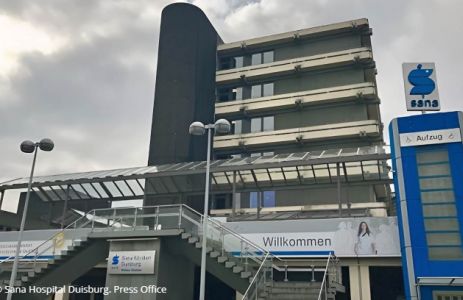
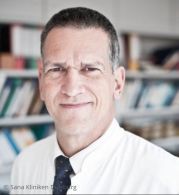
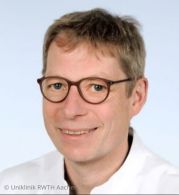
- The Duisburg Neurosurgery Clinic is one of the best in Germany and the fifth largest. The clinic performs approximately 2,600 spinal and brain surgeries each year. Professor Martin Scholz, head of the neurosurgery center, collaborates with physicians from the neuropediatrics and neuroradiology departments to treat children with complex brain and central nervous system disorders. Professor Scholz is a recognized expert in microsurgically removing brain and spinal cord tumors.
Get a consultation from Germany’s leading neurosurgeons for emergency or complex situations: +49 170 62 47 020
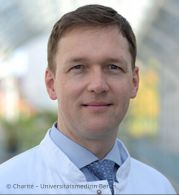
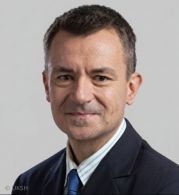
- The Center for Pediatric Neurosurgery at the Charité University Medical Center is headed by Professor Ulrich-Wilhelm Thomale. Professor Thomale’s practice encompasses the removal of brain tumors in children, as well as the treatment of vascular malformations, congenital and acquired hydrocephalus, skull deformity correction, and spinal deformity surgery in children. You can find detailed information about the doctor here.
- The Clinic and Polyclinic of Neurosurgery at Ludwig Maximilian University in Munich is also among the best medical institutions in Germany. It is headed by Professor Jörg-Christian Tonn. Professor Tonn has over 30 years of experience treating diseases of the central and peripheral nervous systems. He is a member of 11 medical societies and is actively engaged in research in the field of clinical and experimental neuro-oncology. The clinic offers a range of services, including the removal of spinal and brain tumors; stereotactic biopsies for diffuse lesions; and surgical treatment for dysraphic malformations, arachnoid cysts, hydrocephalus, and epilepsy.