Cervical Cancer: Advanced Fertility-Sparing Treatment and Diagnostics in Germany
In this article:
- Anatomy and Causes of Cervical Carcinoma
- Early Symptoms and Signs of the Disease
- Modern Diagnostics in Germany: PAP Test (München IIIi) and HPV
- Fertility-Sparing Surgery and the Da Vinci Robotic System
- Advanced Radiotherapy and MRI-Guided Brachytherapy
- Immunotherapy and Targeted Therapy
- Leading Gynecologic Oncology Centers in Germany and Treatment Costs
- How to Organize Your Medical Trip in 4 Steps
1. Anatomy and Causes of Cervical Carcinoma
The uterus is a hollow muscular organ consisting of the body, fundus, and cervix, which connects to the cervical os and vagina. The transformation zone (the junction between the squamocolumnar epithelium of the cervix and the endocervical canal) is the most vulnerable area. In 90% of cases, cervical cancer develops from squamous epithelial cells (squamous cell carcinoma), while 10% of cases are adenocarcinomas.
The Primary Cause: Human Papillomavirus (HPV)
The key risk factor (present in over 99% of cases) is chronic infection with high-risk types of the Human Papillomavirus, predominantly HPV types 16 and 18.
- Age Distribution: Initial precancerous changes can occur in women aged 20–30, while the peak incidence of invasive cancer occurs between 40 and 50 years of age.
- Additional Risk Factors: Smoking, immunocompromised states (including HIV), prolonged use of certain oral contraceptives, and early onset of sexual activity.
It takes from 2 to 10 years to progress from initial HPV infection and precancerous dysplasias (CIN 1–3) to invasive carcinoma. This provides a sufficient window of time for early detection during routine gynecological screenings.
2. Early Symptoms and Signs of the Disease
In its early stages (including cancer in situ and stages IA–IB), cervical cancer is completely asymptomatic. This is why regular screening is crucial.
Warning signs that require immediate medical attention:
- Contact Bleeding: Spotting or bleeding during or after sexual intercourse, or following a gynecological exam.
- Irregular Bleeding: Intermenstrual bleeding or postmenopausal bleeding.
- Unusual Discharge: Watery, profuse, pinkish, or foul-smelling vaginal discharge.
- Advanced Stage Symptoms: Lower abdominal pain radiating to the lower back or sacrum, lower extremity edema, or urinary (dysuria) and bowel dysfunctions.
3. Modern Diagnostics in Germany: PAP Test (München IIIi) and HPV
In German gynecologic oncology centers, diagnostic protocols are structured in stages to precisely determine the stage of the disease as well as the individual biological profile of the tumor.
Step-by-Step Diagnostic Algorithm:
- Primary Screening: Co-testing via cytology smear (PAP test using the München IIIi system) and high-sensitivity PCR analysis for high-risk HPV strains (HPV High-Risk).
- In-Depth Examination (Colposcopy): Magnified examination of the cervix using contrast solutions to visualize the transformation zone and suspicious areas.
- Histological Confirmation: Target biopsy or diagnostic conization followed by histopathological examination in specialized laboratories.
- Staging: Pelvic contrast-enhanced MRI, CT, or PET-CT to evaluate the depth of tumor invasion and check regional lymph node status.
Cytological Examination (PAP Test via the München IIIi System)
Since 2020, Germany has utilized the updated national classification system for cytology smears, München IIIi:
| PAP Group | Cellular Characteristics | Clinical Recommendations in Germany |
|---|---|---|
| PAP I / II | Normal epithelium without atypical features | Repeat routine screening in 1–3 years. |
| PAP III / III-p/g | Questionable result, atypical cells of undetermined significance | HPV testing and repeat cytology in 3–6 months. |
| PAP IIID1 / IIID2 | Mild to moderate dysplasia (CIN 1 / CIN 2) | Monitoring or expert colposcopy. |
| PAP IVa / IVb | Severe dysplasia (CIN 3) or cancer in situ | Mandatory biopsy and targeted conization. |
| PAP V | Invasive carcinoma | Urgent histological confirmation and treatment plan formulation. |
4. Fertility-Sparing Surgery and the Da Vinci Robotic System
Surgical strategy in German clinics depends on patient age, tumor stage, and the desire to preserve fertility.
1. Fertility-Sparing Treatment for Young Patients (Radical Trachelectomy)
If the disease is diagnosed at an early stage (IA2–IB1) and the patient plans to have children in the future, German specialists prefer radical trachelectomy:
- Surgical Technique: The surgeon removes only the cervix and the upper third of the vagina along with surrounding lymph nodes.
- Organ Preservation: The uterine body and ovaries are preserved. A special permanent stitch (cerclage) is placed between the uterine body and vagina.
- Outcome: After rehabilitation, the patient retains the capability to conceive and carry a pregnancy.
2. Minimally Invasive and Robotic Surgery (Da Vinci System)
When extensive surgery is required (radical hysterectomy according to Wertheim), certified German centers utilize Da Vinci robotic systems:
- 10x 3D visualization allows surgeons to meticulously excise affected tissue while preserving pelvic nerve plexuses (nerve-sparing surgery).
- This minimizes the risk of urinary dysfunction and accelerates postoperative recovery.
5. Advanced Radiotherapy and MRI-Guided Brachytherapy
From stage IB3–IIA2 onwards, or when surgery is contraindicated, concurrent chemoradiotherapy (CRT) is the gold standard in Germany.
Components of Radiation Therapy in German Clinics:
- External Beam Radiation Therapy (IMRT / VMAT): High-precision intensity-modulated pelvic irradiation targeting maximum doses to the tumor and lymph nodes while sparing the bladder and rectum.
- Intracavitary 3D/4D MRI-Guided Brachytherapy (IGABT): Placing a radiation source directly into the cervical region. Brachytherapy in Germany is performed under real-time MRI guidance, delivering maximum local tumor control.
6. Immunotherapy and Targeted Therapy for Advanced Stages
For recurrent, locally advanced, or metastatic cervical cancer, conventional chemotherapy is augmented with innovative biological agents.
- Immune Checkpoint Inhibitors (Pembrolizumab / Keytruda): Activates the patient's immune system to recognize and destroy cancer cells. Prior testing for PD-L1 biomarker (CPS score) is mandatory.
- Targeted Therapy (Bevacizumab / Avastin): A monoclonal antibody that blocks the formation of new blood vessels supplying the tumor (anti-angiogenic therapy).
If you require an independent second opinion or a cost estimate for a treatment program in Germany, contact a GHP Pulse medical coordinator via WhatsApp/Telegram: +49 170 62 47 020
7. Leading Gynecologic Oncology Centers in Germany and Treatment Costs
Treatment should be conducted in specialized cancer centers certified by the German Cancer Society (DKG Gynäkologisches Krebszentrum).
Recommended Centers and Experts:
- Dresden University Hospital (Carl Gustav Carus): Department of Gynecology and Obstetrics led by Prof. Dr. med. Pauline Wimberger — a renowned expert in gynecologic oncology, biomarker research, and systemic therapies.
- Charité University Hospital Berlin: Department of Gynecology and Gynecological Oncology Center led by Prof. Dr. med. Dr. h.c. Jalid Sehouli — one of Europe's leading gynecologic oncologists, ESGO President, and specialist in complex pelvic surgery.
- Heidelberg University Hospital: Department of Gynecology and Obstetrics led by Prof. Dr. med. Oliver Zivanovic — international expert in radical operative gynecology, robotic-assisted, and fertility-sparing oncologic surgery.
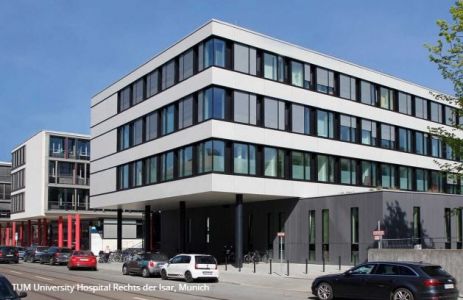
- Technical University of Munich Hospital (Rechts der Isar): Department of Gynecology led by Prof. Dr. med. Marion Kiechle — prominent German expert in early detection, prevention, and personalized therapy for gynecologic malignancies.
- Freiburg University Hospital: Women's Care Center led by Prof. Dr. med. Ingolf Juhasz-Böss — leading specialist in innovative fertility-sparing oncologic surgery and minimally invasive interventions.
- Agaplesion Bethesda Academic Hospital Wuppertal: Gynecologic Oncology Department led by Dr. med. Jörg Falbrede — leading surgical gynecologist specializing in fertility-sparing and robotic operations.
- Essen University Hospital: Department of Gynecology and Obstetrics led by Prof. Dr. med. Rainer Kimmig — pioneer and global authority in Da Vinci robotic surgery, precision radical gynecologic oncology, and reproductive medicine.
Medical Costs in German Hospitals
Medical care in Germany is regulated by the official fee schedule GOÄ (Gebührenordnung für Ärzte) for outpatient care and the DRG (Diagnosis Related Groups) system for inpatient care.
GOÄ billing rates and the DRG base system apply equally to domestic residents and international patients. Outpatient procedures are calculated using standard multiplication coefficients (standardly 2.3x for physician services and 1.15x for lab tests), while surgeries and inpatient courses are billed via DRG based on length of stay.
Estimated Costs for Diagnostics, Surgery, and Therapy:
| Procedure / Diagnostic Component | Service Scope | Estimated Cost (EUR) |
|---|---|---|
| Clinical Examination | Early detection examination (anamnesis, palpation, consultation) | €43 – €65 |
| Cytological Smear Collection | Cellular sampling from the cervical canal | €6 – €15 |
| Transvaginal Ultrasound | Pelvic ultrasound of the uterus and endometrium | €21 – €40 |
| Diagnostic Colposcopy | Microscopic cervical examination | €40 – €80 |
| Cytological Analysis (PAP Test) | Microscopic cell evaluation for atypia | €25 – €45 |
| Virological Test (HPV-PCR) | PCR screening for high-risk HPV strains | €50 – €85 |
| Targeted Biopsy & Histopathology | Tissue sampling and laboratory histopathological analysis | €80 – €150 |
| Fertility-Sparing Surgery (Trachelectomy) / Conization | Surgical excision of affected tissue / cervix while preserving the uterine body | €7,500 – €12,000 |
| Robotic Hysterectomy (Da Vinci) | Minimally invasive robotic uterus removal via Da Vinci system | €16,000 – €23,000 |
| Chemoradiotherapy Course (IMRT + MRI Brachytherapy) | Comprehensive external beam radiation combined with 3D/4D MRI-guided brachytherapy | €28,000 – €42,000 |
Additional Cost Factors
- Chief Physician / Professor Fee (Chefarztbehandlung): For personal consultation, surgery, or supervision by a department chair / professor, the GOÄ coefficient may increase up to 3.5x.
- Hospital Administration Fees: International Offices in university and municipal clinics charge mandatory administrative fees for patient registration and medical record processing.
8. How to Organize Your Medical Trip in 4 Steps
- Inquiry and Document Submission: Send your medical reports, CT/MRI scans, and histology findings to our medical coordinator.
- Expert Review (24–48 hours): A leading German gynecologic oncologist reviews your file and provides a preliminary assessment.
- Official Cost Estimate and Invitation: Receive a direct cost calculation from the hospital and an official medical invitation for visa processing.
- Arrival and Coordination: Complete support throughout your trip: transfer, interpreter services, appointment scheduling, and 24/7 personal coordinator support.
Consultation and Appointment Booking:
The GHP Pulse Coordination Center facilitates fast remote consultations and arranges on-site diagnostics, consultations, and treatment at certified German clinics.
📞 Phone / WhatsApp / Telegram: +49 170 62 47 020
Medical Verification & Adaptation: Content prepared by the GHP Pulse editorial team based on official clinical guidelines of the German Cancer Society (DKG — Deutsche Krebsgesellschaft) and the S3 Clinical Practice Guideline for Cervical Cancer (S3-Leitlinie Zervixkarzinom).