The Rectal Cancer Treatment in Germany
Each year, over 70,000 people in Germany are found to have colon cancer. It's the second most common cancer for women (after breast cancer) and for men (after prostate cancer). This cancer, also called a carcinoma, usually starts in the lining of the colon or sometimes in the rectum.
Diagnosis and Screening: How Is Rectal Cancer Detected?
Often, colorectal cancer starts as what are called intestinal polyps. These are small, harmless growths that, over time, can turn into a cancerous tumor. If doctors find these polyps early enough, they can take them out safely during a colonoscopy.
Many people often ask how to test for rectal cancer or how to check for rectal cancer effectively. Doctors strongly suggest getting a screening colonoscopy to prevent cancer once you turn 55. But if bowel cancer runs in your family, or if you have ongoing inflammatory bowel diseases, doctors will evaluate how rectal cancer is diagnosed at a much earlier age, performing a colonoscopy well before 55.
Medical guidelines consistently highlight just how effective this screening method is at preventing serious issues. So, does colonoscopy detect rectal cancer accurately? Absolutely, it's considered the best way to do so. Since colon cancer is almost always fully curable when caught early, it's really important to know how it's found and to get regular screenings before you even feel sick. In simple terms, does a colonoscopy check for rectal cancer? Yes, it thoroughly checks your entire large intestine and rectum, aiming to stop cancer before it even gets started.
Treatment Options: What Are The Ways We Treat Rectal Cancer?
When we talk about treating rectal and colon cancer, the plan completely depends on how far along the disease is. In the early stages, if the tumor hasn't gone deep into the intestinal wall, hasn't spread to nearby lymph nodes, and there are no other tumors (metastases), doctors can remove it successfully with either endoscopic procedures or surgery. Often, in these situations, no more treatment for rectal cancer is needed.
When the cancer is very early and hasn't spread, like a 'rectal carcinoma in situ,' taking it out locally works very well, and patients usually have a great outlook.
However, for more advanced stages, the approach is different. If you're wondering how doctors treat rectal or colon cancer once it's progressed, they typically use a mix of different treatments. Besides surgery, chemotherapy is often given to stop cancer cells from spreading to nearby areas. This is particularly important if the cancer has already reached the regional lymph nodes.
Looking at today's treatments for rectal cancer, modern medicine also includes immunotherapy. This uses special antibodies to specifically target cancer cells.
Can Rectal Cancer Be Cured?
Many families often ask, Can rectal cancer be cured? Lately, the chances of surviving and doing well have gotten much better. These days, even people with advanced or spread-out cancer can live longer with a good quality of life, even when a full cure isn't possible anymore.
When doctors consider how to treat tricky or advanced rectal cancer, they need very specific methods. This is especially true for types of the disease that run in families, like Hereditary Non-Polyposis Colorectal Cancer (HNPCC) and Familial Adenomatous Polyposis (FAP). Both of these require very careful and specialized treatment plans.
For patients with Familial Adenomatous Polyposis (FAP), surgery is often necessary when they are still young. This involved type of rectal cancer treatment usually means a total proctocolectomy, which is when the entire large intestine and rectum are removed.
Today, this major treatment for rectal adenocarcinoma and inherited syndromes can be done using less invasive methods. Doctors can create an ileoanal pouch from a part of the small intestine. This helps keep bowel function normal, completely removing the need for a permanent colostomy, which is an artificial opening.
Expert Care In Germany
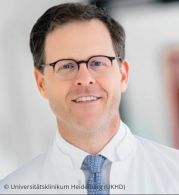
Specialized centers in Germany have accumulated vast experience in performing such operations. The Department of General, Visceral, and Transplantation Surgery at Heidelberg University Hospital is officially recognized as a "Center of Excellence for Minimally Invasive Surgery" in Germany. The clinical team is led by the distinguished abdominal, visceral, and transplant surgeon, Professor Christoph Michalski.
If you want to quickly arrange expert treatment at these specialized German clinics, please call the number: +49 170 62 47 020 or complete our online request form for a consultation.