Brain Tumor Treatment in Germany: Advanced Methods, Leading Clinics, and Costs
Brain tumors account for roughly 2% of all cancer diagnoses worldwide, yet they represent one of the most critical and complex oncological conditions. In Germany alone, approximately 7,000 people are diagnosed with primary brain and spinal cord tumors each year.
What types of brain tumors exist? Can a brain tumor be cured? How much does brain tumor surgery cost in Germany? This article covers the essentials of modern brain cancer treatment in Germany, top neurosurgical centers, and cutting-edge surgical technologies.
Understanding Brain Tumors: Key Facts
Primary brain tumors originate in the cells of the central nervous system (CNS) and are significantly more common than tumors of the spinal cord.
According to ICD-10 classifications:
- Code D33 corresponds to a benign neoplasm of the brain and central nervous system.
- Code D43 refers to a neoplasm of uncertain or unknown behavior of the brain and CNS.
There are over 100 distinct types of brain tumors. Among malignant brain tumors in adults, glioblastoma is the most prevalent and aggressive. Glioblastomas typically lack clear boundaries, extending microscopic branches into healthy brain parenchyma. This infiltrative growth makes complete surgical removal difficult. In these cases, neurosurgeons aim for maximum safe resection, followed by targeted radiation therapy and chemotherapy for residual tumor cells.
After surgical removal of a benign brain tumor, patients generally recover without permanent neurological deficits. However, approximately 5% to 7% of neoplasms are located in deep or eloquence-adjacent anatomical zones where surgical access is challenging. Operating in these regions carries a higher risk of neurological complications, including motor deficits, speech impairment, or visual field loss.
Secondary or metastatic brain tumors (brain metastases originating from primary cancers in other organs, such as lung or breast cancer) are also frequently encountered, with incidence rates steadily rising each year.
Surgical Treatment for Brain Cancer in Germany: Choosing the Right Expert
Surgical resection remains the primary, gold-standard treatment for brain tumors. Achieving maximum safe resection directly correlates with improved overall survival and lower recurrence rates. Consequently, the surgical outcome depends heavily on the skill and experience of the operating neurosurgeon.
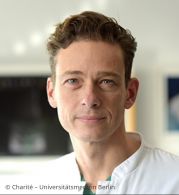
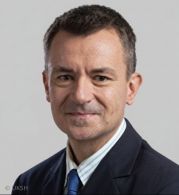
Professor Martin Scholz, Chief Physician of Neurosurgery in Duisburg, performs complex cranial and spinal procedures daily. He belongs to an elite group of specialized neurosurgeons who accept complex cases previously deemed inoperable elsewhere. Knowing that complete or maximal resection significantly improves patient prognosis drives his dedication to high-complexity procedures.
Professor Scholz routinely removes tumors that were considered non-resectable 15 years ago. Whether performing herniated disc repair, spinal canal decompression, or brain tumor removal, he primarily utilizes advanced microsurgical techniques.
Microsurgery provides optimal visualization of minute anatomical structures, allowing surgeons to avoid collateral damage to healthy brain tissue and substantially lower the risk of post-operative neurological deficits.
How Is Brain Tumor Removal Surgery Performed?
Microsurgical resection is one of the most delicate and effective ways to remove a brain tumor. State-of-the-art neurosurgical suites allow surgeons to view high-magnification 3D visual fields from any angle.
Using keyhole microsurgical approaches, specialized ultra-thin instruments (often less than 2 millimeters in diameter) are introduced through minimal openings, avoiding traditional large craniotomies. Surgery is performed using high-definition surgical microscopes integrated with intraoperative neuronavigation systems, rendering critical anatomical structures directly in the surgeon’s eyepieces. Real-time intraoperative monitoring systems continuously evaluate tissue integrity and vascular blood flow throughout the procedure.
Innovative Technologies and Medical Standards in German Neurosurgery
German university medical centers and specialized neurosurgical clinics implement cutting-edge technology to achieve maximum tumor resection while safeguarding neurological function:
- 5-ALA Fluorescence-Guided Surgery (Gliolan®)
When resecting high-grade gliomas (such as glioblastoma), German neurosurgeons use 5-aminolevulinic acid (5-ALA). Prior to surgery, the patient drinks a 5-ALA solution, causing malignant cells to synthesize fluorescent porphyrins. Under ultraviolet light on the operating microscope, tumor tissue glows bright pink. This gives the surgeon real-time visual guidance to delineate tumor margins from healthy brain tissue. - Intraoperative MRI (iMRI) & Neuronavigation
Real-time data collection allows surgeons to verify the extent of tumor resection before completing the operation. If the intraoperative MRI reveals residual tumor fragments, the surgeon can immediately remove them, avoiding the need for a second surgery. - Intraoperative Neurophysiological Monitoring (IONM)
Continuous neuro-monitoring using transcranial electrical stimulation (TES) monitors functional pathways during surgery. If the surgeon approaches critical functional zones (controlling movement, speech, or vision), the system alerts the team, minimizing the risk of permanent neurological damage. - Proton Beam Therapy
For tumors in hard-to-reach locations or when radiation exposure to surrounding tissue must be strictly minimized (particularly in pediatric neuro-oncology), proton therapy is utilized. Unlike standard photon radiation, protons release most of their energy at a specific depth (the Bragg Peak), sparing adjacent healthy brain tissue, optic nerves, and auditory pathways. - Tumor Treating Fields (TTFields / Optune®)
Optune® is an approved, non-invasive maintenance therapy for glioblastoma in Germany. Portable arrays worn on the scalp generate low-intensity electrical fields that disrupt cancer cell division, significantly extending progression-free survival without systemic side effects. - Molecular Profiling & Targeted Therapy
Treatment plans in Germany are guided by genetic profiling of the tumor tissue (analyzing IDH1/IDH2 mutations, MGMT promoter methylation status, and 1p/19q co-deletion). This precision oncology approach ensures that targeted agents or immunotherapies are matched specifically to the tumor's biomarker profile.
Radiation Therapy for Brain Tumors
Radiation therapy is used both as a primary alternative to surgery and as an adjuvant treatment following resection. Leading German radiation oncology centers employ advanced external beam radiation modalities, including:
- Image-Guided Radiation Therapy (IGRT): Uses real-time imaging to continuously monitor and focus radiation beams on the tumor target.
- Intensity-Modulated Radiation Therapy (IMRT): Uses 3D modeling to contour radiation beam intensity to the exact shape of the tumor.
- 3D-Conformal Radiation Therapy (3D-CRT): Shapes multiple radiation beams to match the 3D dimensions of the lesion, protecting surrounding healthy tissue.
Radiation therapy is typically indicated when:
- Surgical resection is not feasible due to tumor location.
- Incomplete tumor removal leaves residual disease.
- The risk of local recurrence is high.
In high-grade malignancies, radiation is combined with chemotherapy (chemoradiation). Overall survival rates depend on the extent of surgical resection, tumor histology, and post-operative treatment protocols. Tissue samples collected during surgery undergo comprehensive histopathological and molecular analysis to determine the exact diagnosis and guide adjuvant therapy.
Cost of Brain Tumor Removal Surgery in Germany
The total cost of brain tumor surgery in Germany generally ranges from €25,000 to €45,000, depending on the tumor's complexity, location, hospital stay duration, and chosen surgical approach.
Average Price Ranges for Treatment Components:
- Comprehensive Diagnostics & Brain MRI: from €1,000 to €2,000
- Microsurgical Brain Tumor Resection: from €25,000 to €45,000
- Course of Proton Therapy: from €35,000 to €50,000
Note: Final costs depend on clinic category, length of stay in the Intensive Care Unit (ICU), surgical difficulty, and the attending physician’s credentials.
We will provide brain cancer treatment in Germany in the shortest possible time. Book an online consultation +49 170 62 47 020 WhatsApp.
Top Neurosurgery Clinics in Germany
For optimal outcomes, brain tumor treatment should be performed at certified oncology or specialized neurosurgical centers. Below are leading German centers for neuro-oncology and brain surgery (based on rankings by FOCUS Gesundheit):
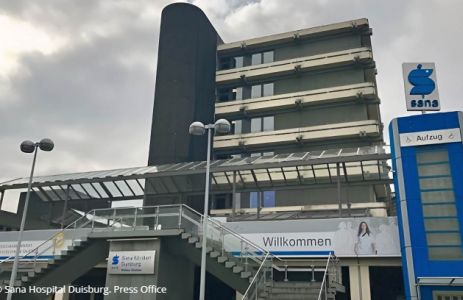
- Sana Hospital Duisburg – Department of Neurosurgery (Prof. Dr. Martin Scholz)
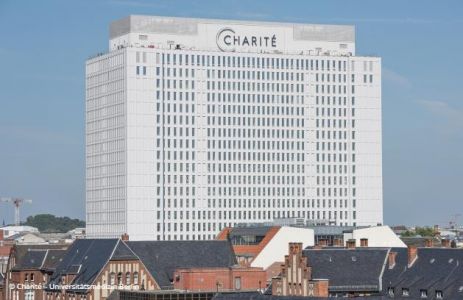
- Charité – Universitätsmedizin Berlin – Department of Neurosurgery (Prof. Dr. Peter Vajkoczy)
- Charité – Universitätsmedizin Berlin – Division of Pediatric Neurosurgery (Prof. Dr. Ulrich-Wilhelm Thomale)
- Saarland University Medical Center – Pediatric Oncology & Hematology (Prof. Dr. Marc Remke)
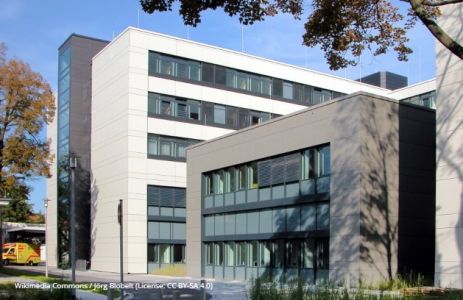
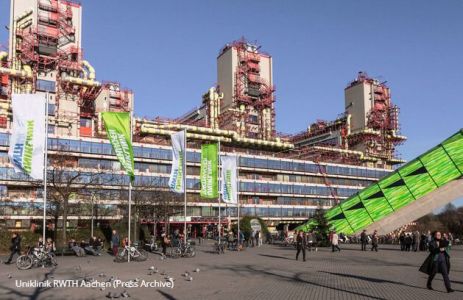
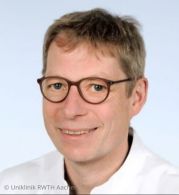
- RWTH Aachen University Hospital – Department of Neurosurgery (Prof. Dr. Hans Clusmann)
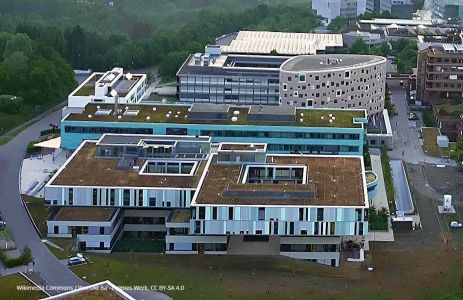
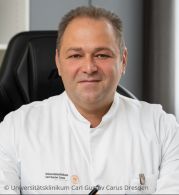
- Carl Gustav Carus University Hospital Dresden – Department of Neurosurgery (Prof. Dr. İlker Eyüpoğlu)
- University Hospital Tübingen – Department of Neurosurgery (Prof. Dr. Marcos Tatagiba)
- LMU University Hospital Munich – Department of Neurosurgery (Prof. Dr. Jörg-Christian Tonn)
Frequently Asked Questions (FAQ)
1. How quickly can an international patient schedule brain surgery in Germany?
Time is critical in neuro-oncology. Once medical records and digital MRI scans (DICOM format) are submitted, preliminary review by a German neurosurgeon typically takes 24 to 48 hours. Full travel arrangements, official medical visa invitation letters, and hospital admission are usually finalized within 3 to 7 business days.
2. What options exist if a brain tumor was declared inoperable in another country?
German neurosurgical centers rarely label a tumor completely inoperable without exhaustive evaluation. Advanced tools like 5-ALA fluorescence, intraoperative MRI, and micro-neurosurgery allow safe access to lesions previously considered unreachable. If surgical resection carries unacceptable risks, non-surgical alternatives are offered, including stereotactic radiosurgery (Gamma Knife / CyberKnife), proton beam therapy, or targeted therapy following a needle biopsy.
3. How can I get a Second Opinion from a leading German neurosurgeon?
You can request a remote medical evaluation before traveling. You may submit your medical history, reports, and digital MRI/CT scans (in DICOM format on CD/DVD or via secure cloud link). A senior German neurosurgeon will review your case and provide an official written second opinion along with a personalized treatment plan and cost estimate.
Contact Us for Assistance
Contact us by phone or WhatsApp at +49 170 62 47 020 or submit an inquiry.
Our team will help you select the ideal neurosurgery specialist, calculate a preliminary cost estimate, and organize your hospital admission in Germany in the shortest possible time.