The Breast Cancer Treatment in Germany
The right combination of therapeutic procedures is key to effective treatment
Breast cancer is the most common type of cancer in women. In Germany alone, 72,000 women are diagnosed with breast cancer every year. The average age of patients diagnosed with breast cancer is 64.
Breast cancer is coded C50 in the International Classification of Diseases (ICD). Depending on the tumour's location, additional codes may be added to the general ICD code.
Symptoms of breast cancer
According to the German Cancer Society, around 50% of breast tumours in women occur in the upper outer part of the breast and around 15% occur in the upper inner part. The left breast is affected slightly more often than the right.
Early-stage breast cancer usually does not cause discomfort or pain. Women should pay close attention to any signs that may indicate breast cancer. If you notice one or more of the symptoms listed below, you should see a doctor immediately. The earlier breast cancer is detected, the better the prognosis for recovery.
External signs of breast cancer include:
- Lumps in the breast.
Lumps or nodules can be detected by palpating the breast when they reach a size of 1–2 cm. The effectiveness of this method depends on the location of the lumps (whether they are directly under the skin or deeper), the density of the breast and its size. These lumps are firm to the touch, do not move under the skin when palpated and are usually painless. However, not every lump indicates cancer; it could be a benign cyst.
- Changes in the nipple
Nipple retraction, deepening or inflammation, and changes in the skin or nipple discharge (especially if bloody or occurring on only one side) are warning signs.
- Change in breast size
In most women, the right and left breasts are slightly different sizes. However, if there is a significant difference in size that occurs for the first time, you should see a doctor.
- Changes in the skin
Pulling, redness, inflammation and the appearance of large pores (orange peel) are possible signs of breast cancer.
- Swelling in the armpit area
Swelling and lumps in the armpit area may indicate that the cancer has spread to the lymph nodes (metastasis). However, swelling can also occur with infections.
In advanced stages of breast cancer, symptoms caused by metastasis may be observed, such as:
- bone pain;
- difficulty breathing;
- weight loss.
Comprehensive breast cancer diagnosis
Scientists have developed technology that allows them to create an individual biological portrait of each tumour and identify its characteristics. Thanks to this research, many patients now have a chance of recovery.
Non-standard treatment
Dr. Jörg Falbrede, chief physician of the gynaecological oncology department at the Agaplesion Bethesda Clinic, reports: 'After studying the tumour material, we do not offer standard treatment, but rather develop a suitable therapeutic plan for each patient.'
'Breast cancer manifests itself in different ways: tumours vary in location and size, and tumour cells differ in their aggressiveness and sensitivity to chemotherapy drugs. It is therefore very important to find out what type of cancer we are dealing with before answering the question of how to treat breast cancer,” says Dr Falbrede.
Breast cancer – examples of treatment in Germany
Breast cancer diagnosis
- First, it is necessary to rule out metastases in the lungs, liver and bones. This is achieved using modern imaging techniques such as ultrasound, chest X-rays and bone scans. In special cases, an MRI scan is prescribed to provide detailed, layer-by-layer images of the internal organs.
- The location, structure and extent of the tumour must be precisely determined. To this end, a mammogram of the breast is performed first — an examination that can detect even the smallest neoplasms that may not be palpable. Another method is ultrasound, which provides a three-dimensional image of the entire breast and allows the structure and anatomy to be studied.
- To reliably determine the type of tumour, doctors use molecular genetic analysis of tissue taken during a biopsy or surgery. Biological tumour markers (biomarkers) help assess tumour malignancy and prognosis. Additionally, biomarkers provide insight into which therapy is necessary or effective in each individual case.
- Once all test results are available, radiologists, oncologists and surgeons review them, discuss them and select the optimal treatment. This discussion takes place at an interdisciplinary oncology consultation, where a treatment plan is drawn up that takes into account the patient's individual disease characteristics.
How is breast cancer treated in Germany?
Thanks to the latest scientific advances in oncology, new therapeutic concepts can be used. Nevertheless, proven methods such as chemotherapy continue to yield good results.
Neoadjuvant chemotherapy – chemotherapy before surgery
For decades, surgery was the primary method of treating breast cancer. It was the first therapeutic step taken by doctors, provided that the tumour was operable.
'When we are dealing with a tumour that can be treated surgically, surgery is still the main method of treatment,' says Dr Falbrede. 'However, recent studies have shown that neoadjuvant therapy is often a very appropriate option.'
This refers to chemotherapy administered before surgery, especially in cases where the tumour cannot be removed due to its size and location. The aim of neoadjuvant therapy is to reduce the tumour's size as much as possible so that it can be removed more easily and the breast can be preserved.
Advantages of neoadjuvant chemotherapy
Before treatment begins, a test is performed to determine how resistant the tumour cells are to the selected drug. This test provides a fairly accurate indication of how the cells will respond to the selected chemotherapy.
After neoadjuvant therapy, control images are used to monitor the treatment's effectiveness. If the tumour does not decrease in size, the drug is replaced with a more effective one. This is not possible when chemotherapy is performed after surgery because the primary tumour is absent and the effect of the drug cannot be monitored.
Neoadjuvant chemotherapy improves the operability of the tumour and increases the likelihood of organ-preserving surgery. Some tumours respond very well to medication and disappear completely after the first stage of treatment. In this case, professionals refer to it as complete pathological remission. Such patients have a very good prognosis.
Hormone therapy
Hormone therapy for breast cancer is a method of drug treatment that slows the growth of hormone-sensitive tumours. This type of therapy is also known as endocrine therapy.
The endocrine system produces female sex hormones, such as oestrogen and progesterone, which influence cell growth and division. Most cancer cells have receptors for these hormones and respond to them. According to the German Cancer Society, around 75% of breast cancer patients have hormone receptors (HR+). Hormone therapy can either prevent the production of female hormones or stop them from binding to the receptors of tumour cells, thereby inhibiting their growth.
"As we gain a better understanding of the biological composition of tumours, we are able to develop more effective methods of fighting cancer," adds Dr Falbrede. 'By depriving tumour cells of the hormones they need to grow, it is possible to achieve partial or even complete tumour regression.'
An immunohistochemical test is always performed to determine the hormonal status of a tumour.
Targeted therapy
Targeted drug therapy has been widely used in Germany in recent years. Unlike conventional chemotherapy, these drugs act specifically on cancer cells. In some cases, these drugs can almost double the effectiveness of treatment.
Radiation therapy
After organ-preserving surgery, doctors often prescribe high-dose radiation therapy to destroy any remaining cancer cells. The rays are directed locally at the 'bed' of the tumour – the area where the tumour was located and where cancer cells may remain. This significantly reduces the likelihood of recurrence and improves the prognosis for breast cancer patients.
These methods of fighting breast cancer give doctors and patients more confidence.
For detailed information on the cost of treatment in Germany, please call: +49 170 62 47 020
Treatment at certified breast cancer centres in Germany
Thanks to modern imaging techniques for diagnosing breast cancer, doctors are increasingly detecting cancer at an early stage, which increases the chances of a full recovery. Germany's breast cancer treatment centres are equipped with the latest mammography machines, which can detect even the smallest changes in breast structure.
Furthermore, doctors at certified gynaecology centres have more experience than their colleagues without the relevant certification. Statistics confirm this: more than 90% of women diagnosed with early-stage breast cancer and treated at certified centres were completely cured. Among patients with various stages of the disease, the cure rate was 85%.
Treatment for breast cancer in Germany should only be carried out in certified clinics, where the quality of medical care is regularly monitored by the German Cancer Society (Deutsche Krebsgesellschaft) and strict standards are observed at all stages of treatment. Currently, there are more than 280 certified breast cancer centres in Germany.
Further information on the treatment of breast cancer in Germany can be found in the 'Treatment Examples' section.
Germany's best certified gynaecology clinics
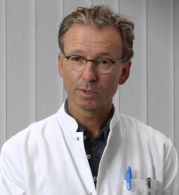
The breast cancer treatment centre at the Agaplesion Clinic in Hamburg is the largest in northern Germany. The centre performs over 500 breast tumour removal surgeries per year. It is headed by Professor Christoph Lindner. Professor Lindner is a member of ten professional associations, has over 32 years' experience and has been an auditor for the German Oncology Society for over ten years.
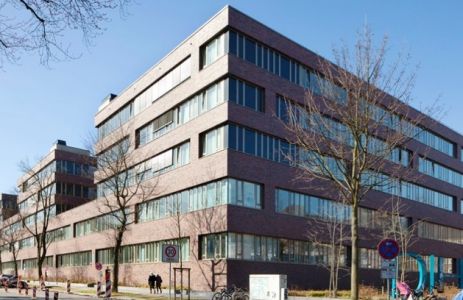
The Gynaecology and Breast Cancer Centre at the Essen-Mitte Clinic is one of the leading centres in Europe. It is certified by the German Cancer Society and recognised as a centre of excellence in North Rhine-Westphalia. More than 2,100 breast cancer operations are performed here every year. These include organ-preserving surgery, as well as plastic and reconstructive surgery using implants. The centre also performs microsurgical operations using tissue flaps and lymph node transplant operations. The centre is headed by Professor Sherko Kümmel.
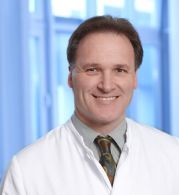
Dr Jörg Falbrede, head of the gynaecology department at Agaplesion Bethesda Hospital, is qualified to perform gynaecological surgeries of all levels of complexity. According to a study by FOCUS magazine, Agaplesion Bethesda has been ranked among the top 100 best clinics in Germany since 2015.
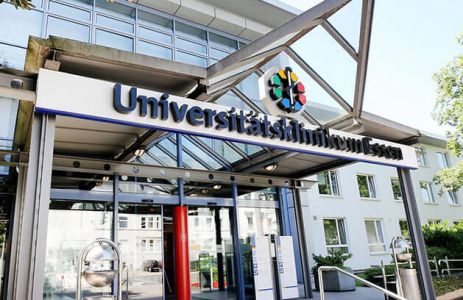
The University Clinic Essen is a leader in the cancer centre ranking in Germany. The Department of Gynaecology, Obstetrics and Mammology is headed by Professor Rainer Kimmich, a leading specialist in gynaecological oncology and modern gynaecological surgery. Professor Kimmig has many years of experience in robotic surgery and other minimally invasive techniques.
Further information can be found at: https://www.krebsgesellschaft.de/onko-internetportal/basis-informationen-krebs/krebsarten/brustkrebs/symptome.html